
The Cohutta-Chattahoochee Scenic Byway is a 54-mile slow drive through the heart of Northwest Georgia. Here, in the suburbs of Dalton and Chatsworth, lies a land where every trail is steeped in history, culture, and natural beauty. Archaeological traces, cultural landmarks, picturesque corners of wilderness – all of this is created by the very fabric of the local landscape and its people. Usually, this passes by unnoticed, but those who slow down will find treasures.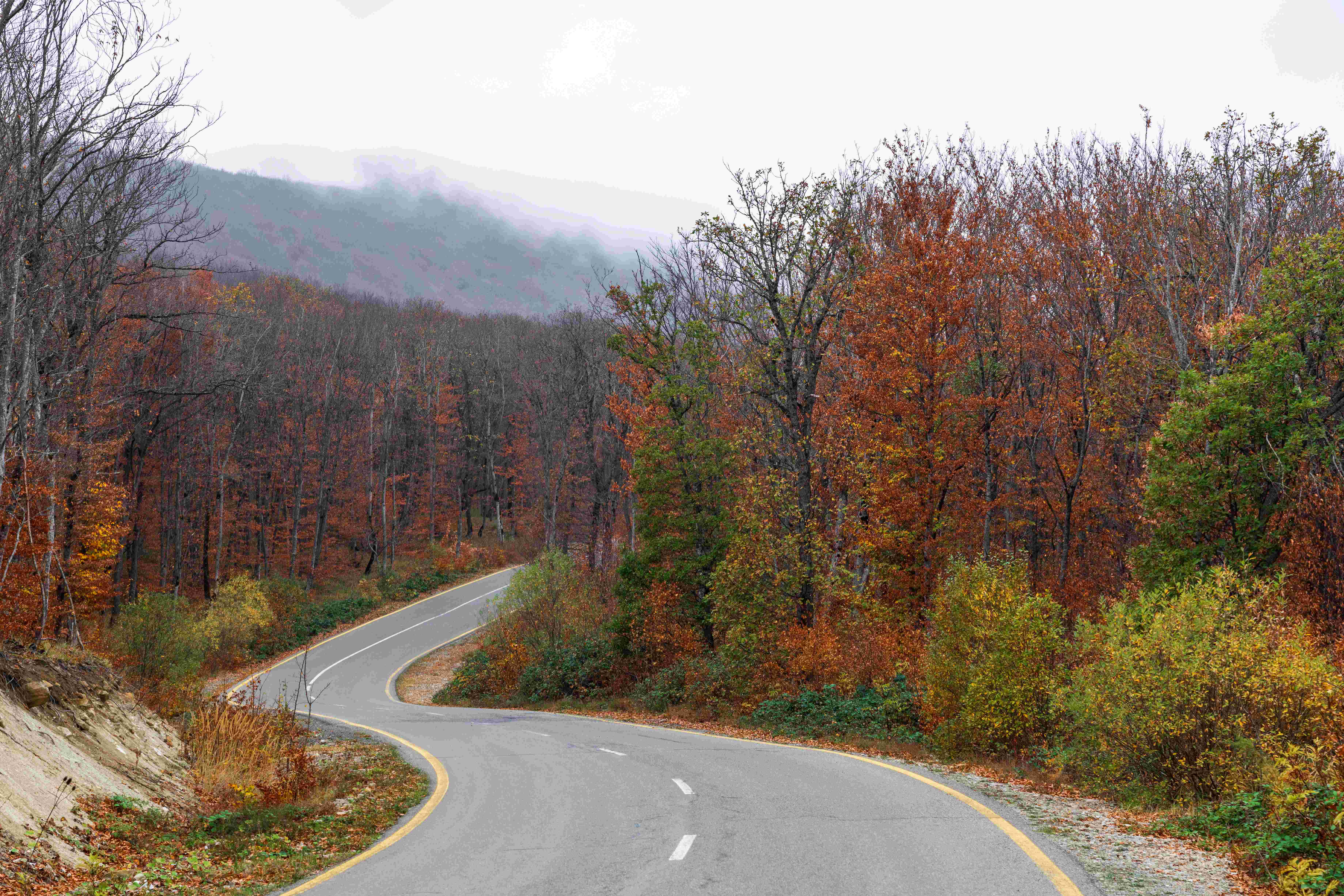
Opened in 1938 as part of the CCC Camp program, this center has become an important venue where science, nature, and education come together in one space. It features 36 ponds and five waterways, forming a complex system that allows for the study and demonstration of aquaculture methods.
Today, the Cohutta Fishery Center specializes in breeding a wide variety of species, from ornamental koi, whose bright spots resemble living paintings, to channel catfish and even sturgeon, prized for their caviar. But at the Cohutta Fishery Center, you will learn more than just about fish. It has become an educational platform where schoolchildren, student groups, Boy Scouts, and rural associations learn about how aquatic ecosystems function, the importance of maintaining a balance in the use of natural resources, and how to behave responsibly near water.
Excursions here are a living contact with nature. Visitors can observe how cascade systems function, how water quality is regulated, and how nature and humans can interact in a mutually beneficial manner, without causing destruction. This is a place where children first understand that sustainability is concrete actions that can be observed with their own eyes.
Prater’s Mill, built in 1855, is an architectural monument that bears witness to an entire era. It was used for grain cleaning, grinding, and milling, powered by the waters of Coahulla Creek. A whole complex gradually grew up around the mill:
For many generations of locals, the mill was the center of life. Here, news was exchanged, deals were made, harvests and plans were discussed. And even when industry took a giant leap forward, the mill remained a symbol of how one building can unite a community.
Today, it belongs to Whitfield County and is managed by the Prater’s Mill Foundation, which is responsible for its preservation. The foundation keeps the building in working order and organizes cultural events such as festivals, craft fairs, and historical reenactments. When people gather here, the mill seems to come alive, reminding us that the past can be part of the present if it is carefully preserved.
The road connecting the research center and the mill. It is not just a stretch of highway, but a unique bridge between the past and the future. On one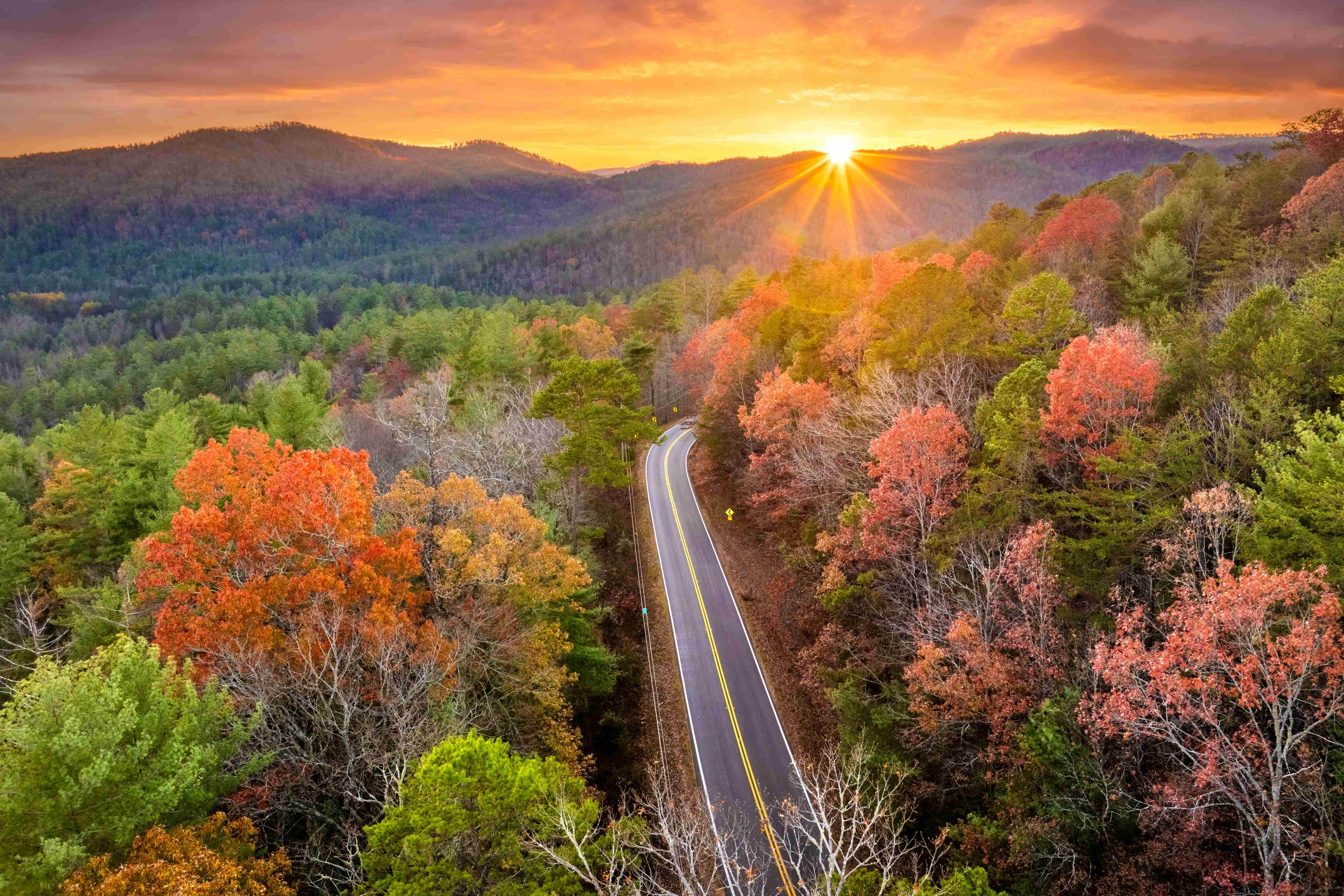 side are quiet ponds where fishermen and biologists work for tomorrow. On the other hand, there is an old building that preserves the spirit of the nineteenth century.

The landscape here is surprisingly harmonious. Gentle hills give way to shady groves, fields neighbor streams, and the Appalachians can be seen in the distance. This particular road section provides travelers with an opportunity to experience a moment of reflective meditation. Visitors can rest along the water’s edge and experience how the wind speaks with leaves and the mill wheel produces sounds which match the gentle murmurs of streams.
Locals often say that it is here that the spirit of the Scenic Byway is best felt – in the balance between cultural heritage and natural grandeur. This space requires no words; it works through silence and presence.
The Georgia Scenic Byway is a route that cannot be measured in miles alone. It connects cities and forests, culture and nature, the past and the present. Here, everything comes together in a single tapestry: houses that have survived wars, books written in the quiet of rural streets, and forests that remember people long before us. For those who decide to slow down and trust the road, this journey becomes more than just a means of transportation; it is a way to see more deeply and feel more vividly.